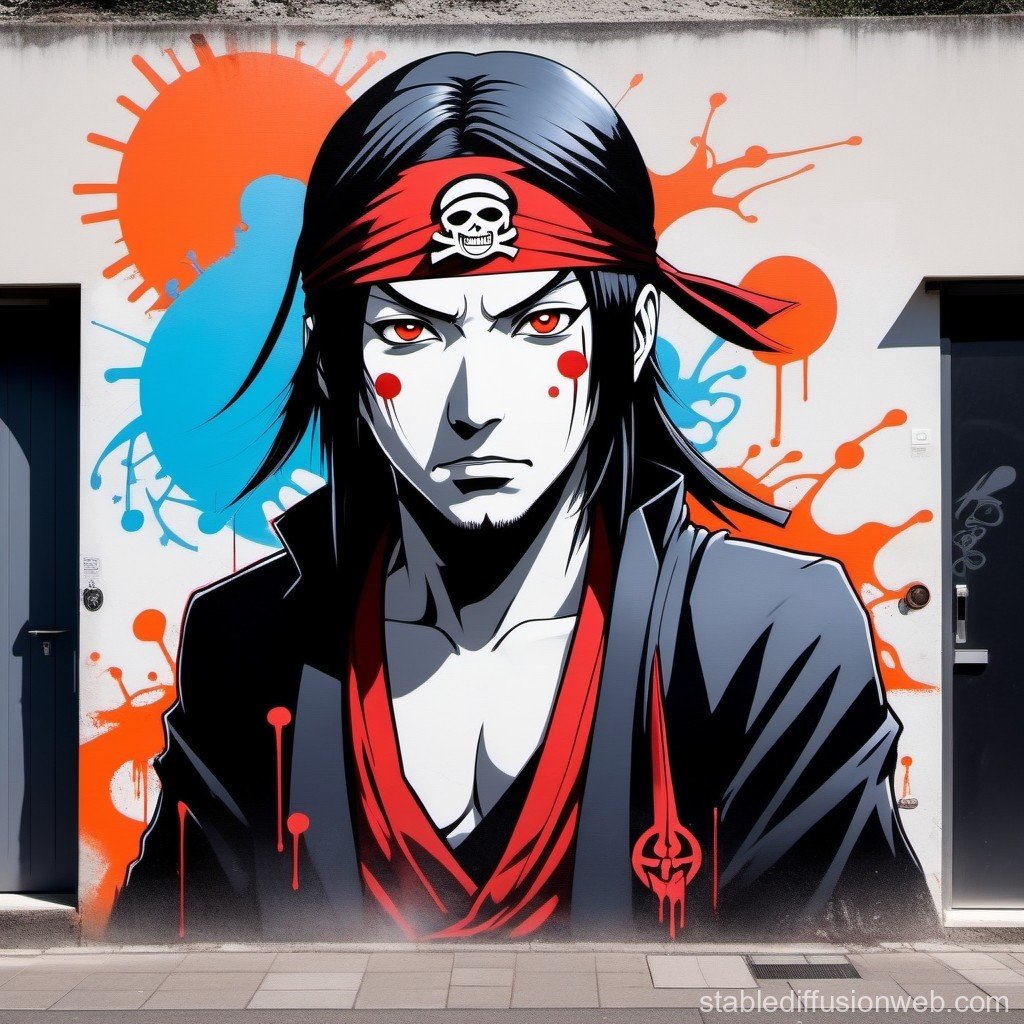
Imagine the world of "The Promised Neverland," where an idyllic orphanage hides a chilling truth, suddenly intersecting with the enigmatic genius of Itachi Uchiha. It sounds like a fan-fiction fever dream, right? Yet, the compelling parallels, profound sacrifices, and strategic minds at play in both "The Promised Neverland" and the saga of Itachi Uchiha make this hypothetical crossover a captivating thought experiment. This isn't about a canonical team-up, but an exploration of the thematic and character-driven "crossover myths" that arise when two narrative powerhouses share such resonant elements.
We're diving deep into why fans often envision Itachi's calm intellect navigating Grace Field House, or how his tragic past echoes the children's desperate fight for freedom. It’s a testament to the power of storytelling that characters and worlds can spark such vivid imaginative connections.
Unraveling Shared Thematic Threads: Sacrifice, Freedom, and Hidden Truths
At their core, both "The Promised Neverland" and Itachi Uchiha's story grapple with immense burdens and the heavy price of idealism. The children of Grace Field House yearn for freedom from a predetermined fate, only to uncover a world far more complex and dangerous than they imagined. Similarly, Itachi Uchiha carried the weight of an impossible choice, sacrificing his reputation and family for the greater good of his village.
This inherent tension between personal desire and collective well-being is a powerful throughline. It makes us wonder how Itachi might perceive the "sins" of the adult world in "The Promised Neverland," or how Emma's unwavering hope might challenge his pragmatic nihilism. To truly unravel the shared thematic threads between these narratives, we must acknowledge the omnipresent shadow of sacrifice.
- The Weight of Choice: Both narratives hinge on characters making impossible choices under extreme pressure. Itachi chose to massacre his clan to prevent a larger war, while Emma, Norman, and Ray chose to defy their "mothers" and escape a system designed to consume them.
- Freedom vs. Security: This is a central conflict in "The Promised Neverland," where the children must forsake a comfortable (but deadly) existence for an unknown, dangerous freedom. Itachi's sacrifice also guaranteed a fragile security for Konoha, at the cost of his own freedom and identity.
- Hidden Agendas and Deception: Grace Field House's idyllic facade hides a sinister truth, mirroring the hidden motivations behind Itachi's actions concerning the Uchiha Clan. Trust is a scarce commodity, constantly challenged by revelations.
Strategic Minds and Burdened Leaders: Emma, Norman, Ray, and Itachi
When we consider how Itachi Uchiha might fit into "The Promised Neverland," his exceptional intellect and tactical prowess immediately come to mind. He was a prodigious talent, a Chūnin at 10 and Anbu at 13, constantly thinking multiple steps ahead. This mirrors Norman's strategic genius in orchestrating the escape plan from Grace Field House, or Ray's pragmatic realism.
The leadership dynamics within the Grace Field trio — Emma's compassionate idealism, Norman's calculated strategy, and Ray's shrewd pragmatism — create a formidable, yet often conflicting, force. Itachi, with his lone wolf demeanor and unwavering resolve, offers a different model of leadership, one burdened by solitary knowledge and immense sacrifice. For a deeper dive, consider a comprehensive look at the intersecting leadership styles of Emma, Norman, Ray, and Itachi.
- The Strategist's Burden: Norman and Itachi both bear the heavy mental load of complex plans, often making decisions that others cannot comprehend until much later. They both operate with information others lack, making them isolated figures.
- Compassion vs. Pragmatism: Emma's unwavering belief in saving everyone contrasts with Itachi's ultimate pragmatic decision. Yet, Itachi's actions were ultimately driven by a deep love for his village and his brother, reflecting a different facet of compassion.
- The Power of Insight: Both Itachi and the Grace Field trio rely heavily on intelligence gathering, observation, and deduction to navigate their dangerous worlds. Their ability to read situations and predict outcomes is paramount to survival.
Echoes of Sacrifice: Clan Massacre and The Farm's Grim Harvest
Perhaps the most chilling and compelling overlap between these two narratives lies in their depiction of ultimate sacrifice and hidden atrocities. The Uchiha Clan Massacre, a horrific event orchestrated by Itachi for the supposed greater good, finds a thematic parallel in the systematic harvesting of children at Grace Field House. Both scenarios involve a hidden system, a terrible secret, and the brutal efficiency of a predetermined fate.
The "truth" behind Itachi's actions, his loyalty to Konoha over his clan, and his protection of Sasuke, resonates with the children's desperate struggle to not only escape but understand the horrifying reality of their world. It invites us to consider a deeper dive into the parallels between the Uchiha Clan Massacre and the grim reality of Grace Field House.
- The Unseen Burden: Itachi bore the weight of his actions alone, allowing himself to be branded a villain for a secret purpose. The children of Grace Field House, initially unaware of their fate, later carry the heavy burden of knowledge, facing a world that sees them only as commodities.
- Protection Through Deception: Itachi intentionally cultivated hatred in Sasuke to make him stronger, a cruel form of protection. The adults at Grace Field House maintain a facade of love and care, masking their true, sinister role.
- The Price of Survival: In both stories, survival comes at a steep cost, often involving moral compromises and heart-wrenching decisions. The pursuit of peace or freedom requires extraordinary sacrifices. You can further understand the profound connections between sacrifice and the quest for freedom in both narratives.
Imagining the Crossover: What if Itachi was at Grace Field?
Now, let's indulge the "crossover myth" fully. What if Itachi, with his strategic genius and calm demeanor, found himself at Grace Field House? Would he try to dismantle the system from within, or lead a swift, decisive escape? His ability to gather information, analyze weaknesses, and make ruthless decisions for a larger objective suggests he could be an unparalleled asset, perhaps even a terrifying one.
It’s fascinating to examine how Itachi's strategic genius might operate within Grace Field House's confines. Would he work with Emma, Norman, and Ray, or would his methods prove too cold for Emma's idealism? These are the questions that fuel the fan theories and keep conversations alive. To truly explore character dynamics across both series through this lens is to appreciate the depth of their original portrayals.
- The Information Network: Itachi's skill in intelligence gathering, infiltration, and observation would be invaluable in Grace Field, quickly uncovering the truth and mapping out escape routes.
- The Master Manipulator: Given his past actions, Itachi might skillfully manipulate the "Mothers" and even the demons, playing them against each other to create an opening for the children's escape.
- Ethical Dilemmas: His presence would force profound ethical debates among the children. Would they accept his methods, even if they seemed morally grey, if it guaranteed their freedom?
Why Fans Connect These Worlds: The Enduring Appeal of Complex Narratives
The enduring fascination with "Itachi Uchiha in The Promised Neverland explained" isn't about creating new canon; it's about the universal appeal of deep, complex narratives. Both stories delve into themes of survival, morality, the weight of leadership, and the harsh realities of sacrifice. Fans connect these worlds because they see reflections of similar struggles and archetypes, allowing their imaginations to bridge the gaps.
This vibrant community engagement, dissecting hypothetical scenarios and exploring character motivations across different universes, enriches our understanding and appreciation of the original works. It’s a testament to the powerful impact these stories have had on their audiences. You can delve deeper into the fan theories that connect these worlds and see the incredible creativity of their loyal followings.
The crossover myths surrounding Itachi Uchiha and "The Promised Neverland" underscore the power of character, theme, and storytelling that transcends genre. They remind us that the human spirit, whether facing hidden demons or internal conflict, consistently seeks freedom, understanding, and a meaningful existence. As creators continue to push boundaries, fan communities will always be there to weave new tapestries from familiar threads, exploring the endless "what ifs" that make fiction so compelling.